For orders up to 3k, a 50% advance payment is required for order confirmation.

For orders up to 3k, a 50% advance payment is required for order confirmation.
Within Lahore PKR 250–600 (area-wise) | Out of Lahore PKR 400 (0–3 kg) | Above 3 kg +PKR 130/kg
Disposable Plates in Pakistan: Paper vs Sugarcane vs Plastic
- Hamza
- No Comments
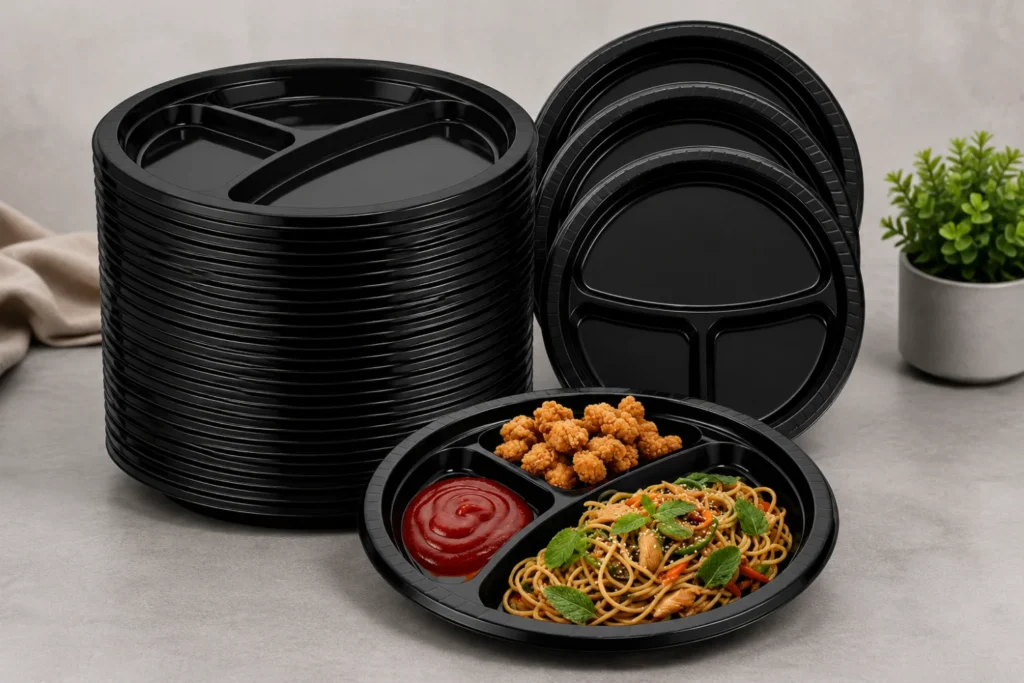
The right disposable plate for a Pakistani event or food business depends on what’s being served and how much the eco-angle matters to the buyer: paper plates for light, dry foods and budget-conscious daily use, sugarcane (bagasse) plates for a genuinely compostable option that holds up to oily and heavier foods, and plastic plates where maximum rigidity and moisture resistance matter more than sustainability. Picking based on the food type and audience — rather than defaulting to whichever is cheapest per piece — is what prevents plates that buckle mid-meal or an eco-branding claim that doesn’t actually hold up.
Disposable plates get bought for very different reasons in Pakistan — a wedding caterer buying by the thousand cares about different things than a small restaurant packing an occasional takeaway order, and a corporate event wanting to advertise sustainability has a different requirement than a street food stall optimizing purely for cost. The three main materials on the market solve genuinely different problems, and understanding the real tradeoffs avoids the two most common mistakes: overpaying for eco-credentials nobody asked for, or under-buying strength for a menu that needed better structural support.
Paper Plates: The Everyday, Budget-Friendly Default
Paper plates are the most common disposable plate in Pakistan for light meals, dry snacks, and everyday catering where cost per unit matters most. They’re generally coated with a thin layer to add some moisture resistance, but they’re not designed for heavy, oily, or very hot food loads the way sugarcane or plastic options are.
- Best for: Dry snacks, sandwiches, light meals, casual home or office gatherings
- Strength: Moderate — can sag under heavier, wetter food or when stacked
- Cost position: Most economical of the three
- Eco-profile: Biodegradable, though full compostability depends on the coating used
Sugarcane (Bagasse) Plates: The Genuinely Compostable Option
Sugarcane plates are made from bagasse — the fibrous pulp left over after sugarcane is processed for juice, a byproduct rather than a purpose-grown material, which is part of their sustainability appeal. Unlike coated paper plates, quality bagasse-based food packaging is typically fully compostable, sturdier under oil and moisture, and better suited to heavier or hot food.
- Best for: Weddings, corporate events, and restaurants actively marketing an eco-conscious brand; oily or heavier food like biryani, curry, or grilled items
- Strength: Strong — holds shape well under weight, heat, and moisture better than standard paper plates
- Cost position: Mid-to-premium, reflecting the more complex manufacturing process
- Eco-profile: Genuinely compostable in most cases, a step up from coated paper in actual environmental claims
The distinction worth remembering: not every “eco-friendly” plate on the market is bagasse, and not every paper-look plate is fully compostable — it’s worth confirming material and compostability certification directly with a supplier rather than assuming from color or texture alone.
Plastic Plates: Maximum Rigidity, Minimum Eco-Appeal
Plastic disposable plates remain in use where rigidity and moisture resistance are the top priority and sustainability isn’t a deciding factor for the buyer — certain catering setups, budget events, or situations where the food itself (very wet curries, ice-heavy servings) would compromise a paper or bagasse plate.
- Best for: Very wet or heavy food, situations prioritizing durability over eco-branding
- Strength: Highest of the three — resists bending, soaking, and heat well
- Cost position: Varies widely by quality, but often comparable to or cheaper than bagasse at scale
- Eco-profile: Weakest — not biodegradable, increasingly restricted under Pakistan’s tightening single-use plastic regulations in cities like Islamabad
Comparing All Three at a Glance
| Paper | Sugarcane (Bagasse) | Plastic | |
|---|---|---|---|
| Strength/rigidity | Moderate | Strong | Highest |
| Oil/moisture resistance | Limited | Good | Excellent |
| Compostable | Partial (coating-dependent) | Yes, typically | No |
| Best use case | Dry, light food; budget events | Oily/heavy food; eco-forward events | Very wet food; max durability need |
| Regulatory outlook in Pakistan | Generally unaffected | Favored under green initiatives | Increasingly restricted |
What This Means for Different Buyers
- Wedding and event caterers – Sugarcane plates are increasingly the default for mid-to-premium events, both for their strength with heavier menus and the sustainability message many hosts now want associated with their event.
- Everyday restaurants and small food stalls – Paper plates remain the practical choice for light, dry items where cost per unit is the deciding factor.
- Large-scale catering with very wet menus – Plastic still gets used where budget and food type outweigh eco-branding concerns, though this is worth reassessing given tightening plastic restrictions in parts of Pakistan.
What to Check When Sourcing in Bulk
- Compostability confirmation for bagasse plates – Ask suppliers directly for certification rather than assuming from the natural brown look, since some products blend materials.
- Sample-test with your actual menu – A plate that performs fine dry can fail under an oily curry; test with real food before a bulk commitment.
- MOQ and storage space – Bulk plate cartons take up real space; confirm minimums fit realistic back-of-house or event storage.
- Cost per plate, not per pack – Compare suppliers on a true per-unit basis, since pack sizes and plate thickness vary meaningfully.
- Regulatory awareness for plastic options – If sourcing plastic plates, confirm current local restrictions in your city before committing to a large order.
FAQs
Are sugarcane plates better than paper plates?
For oily, heavier, or hot food, yes — sugarcane (bagasse) plates generally hold up better than standard paper plates and are more reliably compostable. For light, dry food where cost matters most, standard paper plates remain a practical and more economical choice.
Are all paper plates compostable?
Not necessarily — compostability depends on the coating used on the paper. Some paper plates use a thin plastic-based lining for moisture resistance, which affects how fully they break down. Sugarcane (bagasse) plates are generally the more reliably compostable option.
Which disposable plate is best for a wedding or large event?
Sugarcane plates are commonly preferred for weddings and larger events, since they handle heavier, oilier food better than paper while also supporting the eco-conscious presentation many hosts want for a large gathering.
Are plastic disposable plates being restricted in Pakistan?
Some Pakistani cities, including Islamabad, have introduced single-use plastic restrictions that affect certain plastic disposable items, with enforcement expanding in other provinces as well. It’s worth checking current local regulations before placing a large bulk order for plastic plates.
Is it cheaper to buy disposable plates in bulk?
Yes, buying disposable plates in bulk from a wholesale supplier is generally more cost-effective per unit than smaller retail-style purchases, across all three materials, though bagasse and specialty plastic options carry a higher baseline cost than standard paper.
Related Posts:
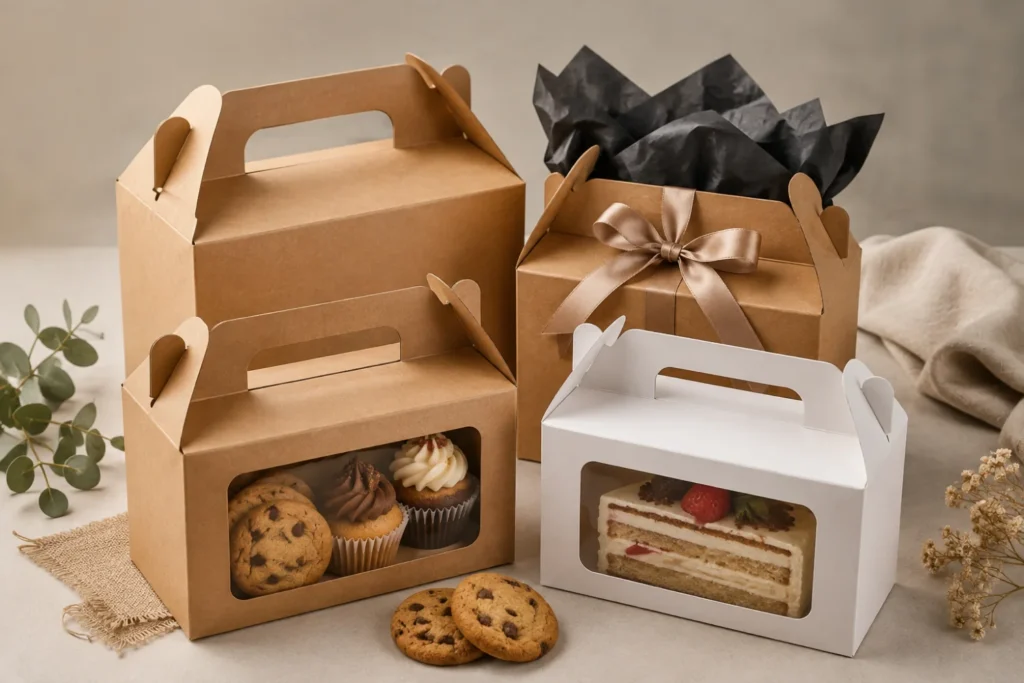
Gable Boxes in Pakistan: Best Packaging for Gifting and Bakery Items
August 29, 2026
No Comments
Gable boxes are the fold-top, barn-shaped boxes with a built-in carry handle that have become
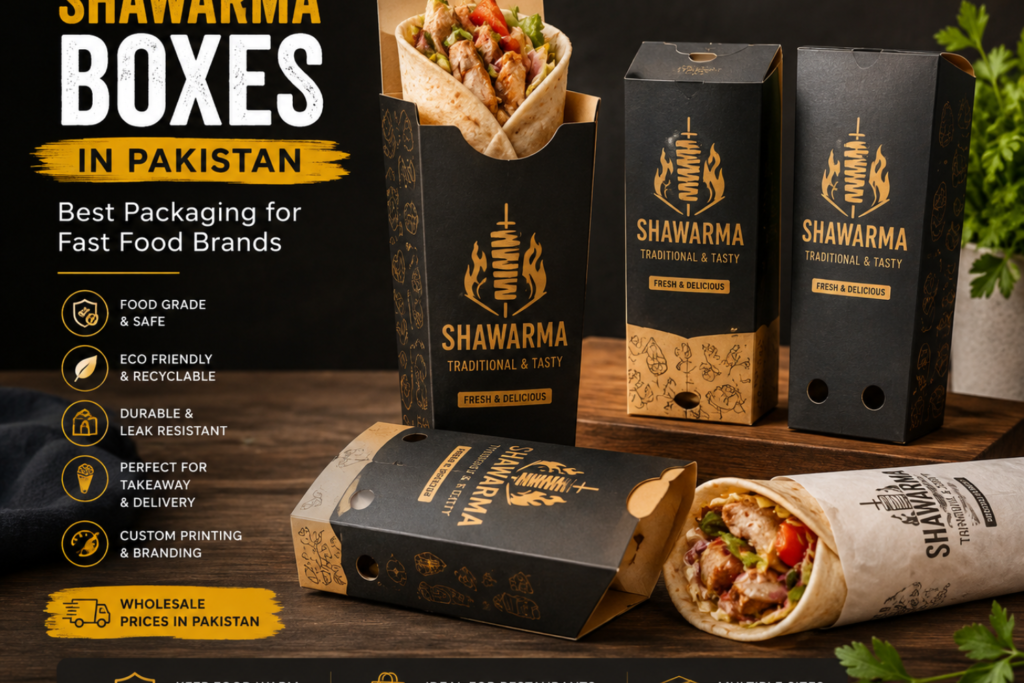
Shawarma Boxes in Pakistan: Best Packaging for Fast Food Brands
August 27, 2026
No Comments
The best shawarma packaging for a Pakistani fast food brand depends on service style: shawarma
Disposable Plates in Pakistan: Paper vs Sugarcane vs Plastic
August 26, 2026
No Comments
The right disposable plate for a Pakistani event or food business depends on what’s being
FEEL FREE CONTACT US
info@packaigngmaster.pk
923153127889
Packaging Master, serving Pakistan since 2020, specializes in premium disposable packaging boxes, food packaging, e-commerce cartons, kraft items, and fully customized solutions. Trusted by restaurants, SMEs, retail stores, and online sellers, we deliver durable, eco-friendly packaging with fast nationwide delivery and competitive pricing—making us a leading choice for reliable, high-quality packaging in Pakistan.
Company
Products
Contact Detail
- Rafi Group Landmark Plaza LG 60,61 Jail Road, Lahore
- Phone: +923153127889
- Email: info@packagingmaster.pk
© 2026 Packaging Master. All Rights Reserved.